
English| EUR
Suggested for you
More currencies
Choose a language
Downtown Chicago is one of the few American cities where the architectural canon sits within a thirty-minute walk of itself — Sullivan, Burnham, Mies, Jahn, all reachable on foot from a single starting point. That geography is why so many visitors skip the guided group entirely and set their own pace. This page explains what a self-paced route actually involves, what it costs, and when to begin.
Quick answer
Self-guided public walking tours in Chicago are free: entrance fee 0 USD, with no ticket or reservation required. The streets, bridges and Riverwalk are accessible 00:00–23:59, seven days a week, so timing is a question of comfort rather than access. The recommended arrival window is 09:00–11:00, which avoids mid-day crowds and gives cleaner light for architecture photography.
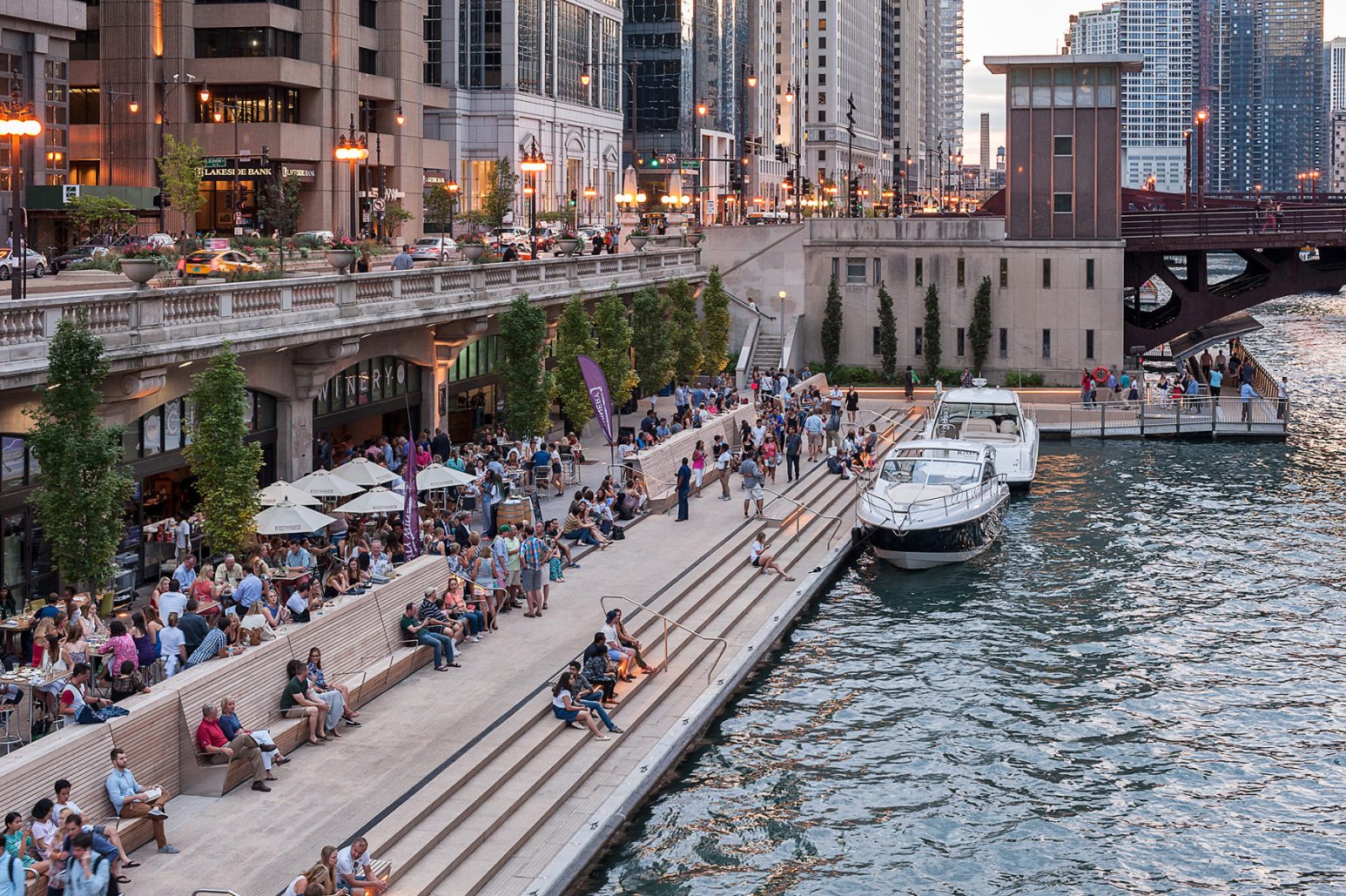
Chicago's street grid was redrawn after the 1871 fire with a rule that changed world architecture: build tall, build in steel. The result is a downtown where the first skyscrapers and their descendants stand within blocks of each other. The Rookery, the Monadnock Building, the Marquette Building and the Chicago Board of Trade are separated by minutes on foot, not miles. A route of chicago walking tours self-guided design takes advantage of that density, and it is the reason a visitor with no booking, no guide and no fixed itinerary can still cover the essential canon in a single morning. What the reader is dealing with is abundance rather than scarcity. The Loop alone holds work by Louis Sullivan, Daniel Burnham, Ludwig Mies van der Rohe and Jeanne Gang. South of the river, LaSalle Street forms a corridor of early high-rise engineering. North of it, the Chicago Riverwalk runs below street level from Lake Street to the lakefront, giving a sightline up at the Wrigley Building, Tribune Tower and the Merchandise Mart that street-level walkers never get. Millennium Park, Cloud Gate and the Art Institute lions anchor the eastern edge. Further out, Wicker Park's Victorian mansions, Pilsen's muralled facades and Oak Park's Frank Lloyd Wright houses each reward a separate outing. No single downtown chicago architecture walk absorbs all of it, which is why most self-paced visitors choose one axis — the river, LaSalle Street, or the lakefront — and commit to it. Context makes the logistics make sense. Because these are public streets and public bridges, there is no gate, no queue and no entry transaction; the practical constraints are weather, daylight and wind off the lake rather than opening times. Chicago's bridge houses, the Bascule spans over the main branch, and the elevated Loop tracks all shape the walking experience in ways a map cannot show: the L rumbles overhead on Wabash and Lake, wind funnels hard down the north-south canyons, and the river's east-west orientation means morning light falls cleanly on the south bank facades. Autumn, the current season, brings the sharpest air and the lowest sun angle of the walking year. A pair of broken-in shoes, a water bottle and a downloaded map matter more than any ticket. What to do with the answer is straightforward. Pick an axis, allow roughly two to three hours of unhurried walking, and treat landmarks as waypoints rather than destinations. Anyone planning chicago walking tours self-guided should also know where the free approach stops working: interiors. Lobbies such as the Rookery's light court and the Cultural Center's Tiffany dome are open to the public, but boat-level river cruises, rooftop observation decks and docent-led interior access are separate ticketed experiences. Many visitors pair the two, walking one morning and booking a guided or river-based complement for another. Use a chicago walking tours self-guided guide to build the free spine of the trip, then add the Chicago landmarks that require admission where they genuinely add something. Official neighbourhood route maps and seasonal advisories are published at choosechicago.com, which remains the most reliable source for closures affecting bridges and the Riverwalk.
“Pick an axis, allow two to three unhurried hours, and treat the landmarks as waypoints rather than destinations.”
For self-guided walking tours in Chicago, the best arrival window is 09:00–11:00. This period helps you avoid mid-day crowds and provides superior lighting for architectural photography.
—
Quiet streets allow for easier navigation and better photo opportunities of landmarks.
Mild 60°F to 75°F
Spring weather is pleasant for extended walking routes throughout the city.
Cool 55°F to 70°F
Fall offers crisp air and comfortable temperatures for outdoor exploration without heavy summer crowds.
Verdict: The best time to visit is Tuesday to Thursday, arriving between 09:00–11:00 during the months of May, June, September, or October.
Self-guided walking tours in Chicago are accessible at any time throughout the week. Visitors may explore public routes at their own convenience, as these areas remain open daily.
Chicago serves as the hub for most self-guided walking tours, with the downtown Loop area acting as the primary starting point for major routes. The city is highly accessible via an extensive public transportation network.
CTA Blue Line to Clark/Lake station
CTA 'L' Brown, Green, or Orange lines to Washington/Wells
CTA Bus Routes 2, 6, or 10 to Michigan Avenue
I-90/94 Kennedy Expressway to downtown exits
For the best experience, plan to arrive between 09:00–11:00 to avoid mid-day crowds and ensure optimal lighting for architecture photography.
Pack smart and prepare ahead to make the most of your self-guided exploration through Chicago's streets.
Everything you need to know about chicago walking tours self-guided
There is no entrance fee for any self-guided public walking tours in Chicago, as they are free for all visitors. You do not need to purchase a ticket to enjoy these routes.
The best arrival window is 09:00–11:00 to avoid mid-day crowds and enjoy better lighting for architecture photography. Following this schedule helps ensure a more relaxed experience throughout the city.
Yes, these self-guided paths are accessible 24 hours a day, seven days a week. You may begin your exploration whenever your schedule permits.
When planning chicago walking tours self-guided, wear comfortable walking shoes and bring water, especially during the autumn season. Preparing for changing weather is also recommended for city landmark viewing.
Yes, you have full flexibility to pause at iconic skyscrapers, urban parks, or riverfront plazas as you see fit. This autonomy is a primary benefit of choosing a non-guided format.
These routes focus on exterior viewing and public spaces, so they do not include skip-the-line attraction access for museums or private interiors. You may need to book those separate entry tickets through official providers.
Families can enjoy chicago walking tours self-guided because you can adjust the length and pace to suit children. There are many public areas along the route where you can stop for breaks.